
Public
Exploring the psychological effects of casino games on player behavior

Th3
The Allure of Casino Games
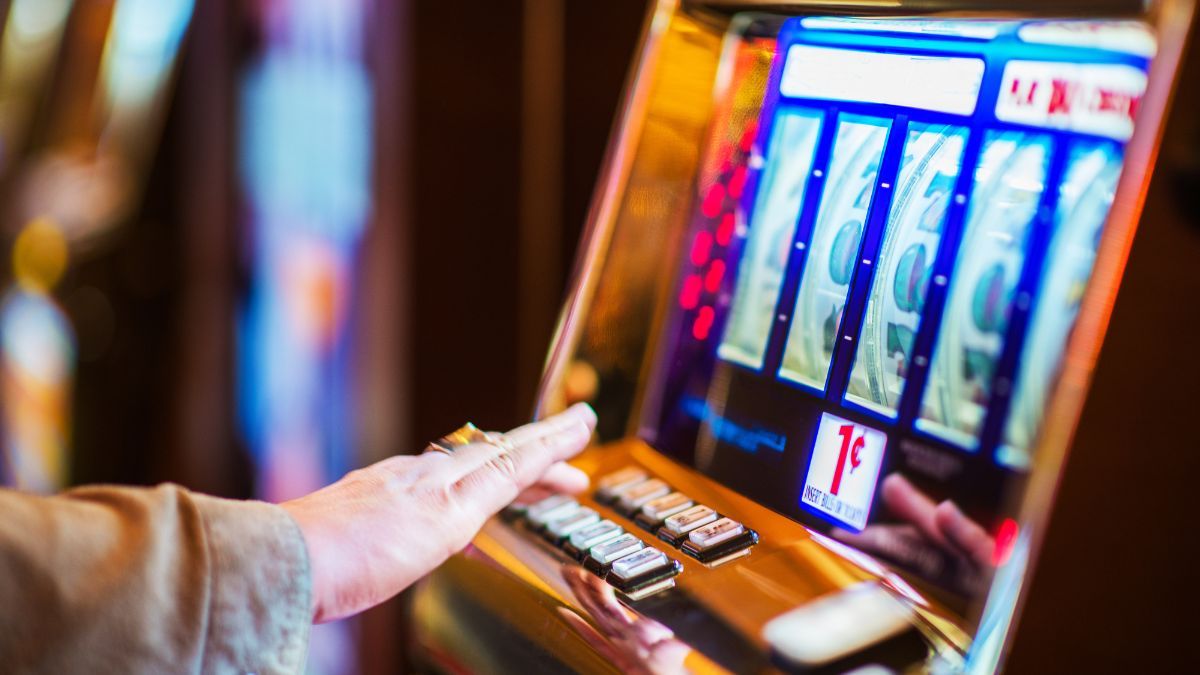
Casino games possess a unique appeal that captivates players, drawing them into an environment where chance and strategy collide. The bright lights, sounds of winning, and the anticipation of a big win create an exhilarating atmosphere. This immersive experience can psychologically affect a player’s behavior, leading to heightened emotions and impulsiveness as they engage in games of chance. As such, many players are interested in exploring options such as betting apps not on gamstop to enhance their gaming experience.

The thrill associated with potential rewards can lead to a phenomenon known as the “near miss,” where players feel they are close to winning, further encouraging them to continue playing. This psychological stimulation can transform casual players into repetitive gamblers, often regardless of rational thinking about the odds and the potential for loss.
The Role of Losses and Chasing Behavior
A significant psychological effect of casino gaming is the tendency to chase losses. When players experience a setback, their desire to recoup lost funds can lead to further gambling, often resulting in more significant financial losses. This behavior stems from cognitive biases and emotional responses, where the initial loss alters the player’s perception of future risks. Unknown to many, this behavior can cause deeper issues and financial distress.
Moreover, the overwhelming desire to regain losses can cloud judgment, pushing players to take more risks than they typically would. This cycle of chasing losses is not just financially detrimental; it can also have severe emotional impacts, contributing to feelings of anxiety and frustration.
Addiction and Compulsive Gambling
The psychological effects of casino games can sometimes lead to addiction. Compulsive gambling is a recognized behavioral disorder that can devastate personal relationships and financial stability. It is often marked by a persistent preoccupation with gambling, difficulty in controlling impulses, and continued gambling despite negative consequences.
This addiction can manifest in various ways, including the need to gamble with increasing amounts of money and lying about gambling habits. The psychological draw of casino games can create a vicious cycle that makes it challenging for individuals to break free from their compulsions, further complicating recovery efforts.
Social Influences and Group Dynamics
Casino environments often encourage social interaction, which can significantly influence player behavior. Group dynamics can enhance the excitement of gambling, with players feeding off each other’s enthusiasm and emotions. This social reinforcement can amplify the psychological effects of gambling, making the experience more immersive and compelling.
However, this social aspect can have dual effects. While it can create a sense of community among players, it can also exacerbate negative behaviors, such as collective gambling or increased risk-taking due to peer pressures. Understanding the social dynamics at play in a casino setting is crucial to comprehending the broader psychological impacts on players.
Connecting with Resources for Safer Gambling
This website serves as a valuable platform for those seeking to understand the psychological effects of casino games on player behavior. By offering insights and resources, it aims to foster a safer and more informed gambling environment. Users can explore a range of articles that delve into the mental and emotional aspects of gambling, helping individuals make better choices.
In addition to providing educational content, the site emphasizes the importance of responsible gambling practices. By raising awareness about the psychological components of gambling, it encourages players to engage with their habits thoughtfully, promoting a healthier approach to gaming.
